What to Look for in your next Photographer
You need to find a photographer; and you’ve quickly realised just how many there are to choose from. They all offer different styles, prices, packages, levels of experience and reviews, making it difficult to know who is genuinely right for you.If you’ve found this guide while wondering what to look for in a good photographer, I hope it helps you make a confident decision based on your needs rather than simply choosing the first available photographer or the cheapest quote.As a professional photographer, I believe choosing someone whose work and personality suit you is just as important as comparing prices. If you’re currently considering your options, you’re welcome to "view my portfolio" as you work through the points below.
Do You Like Their Photography Style?
The first thing to consider is the most obvious: do you genuinely like their style?
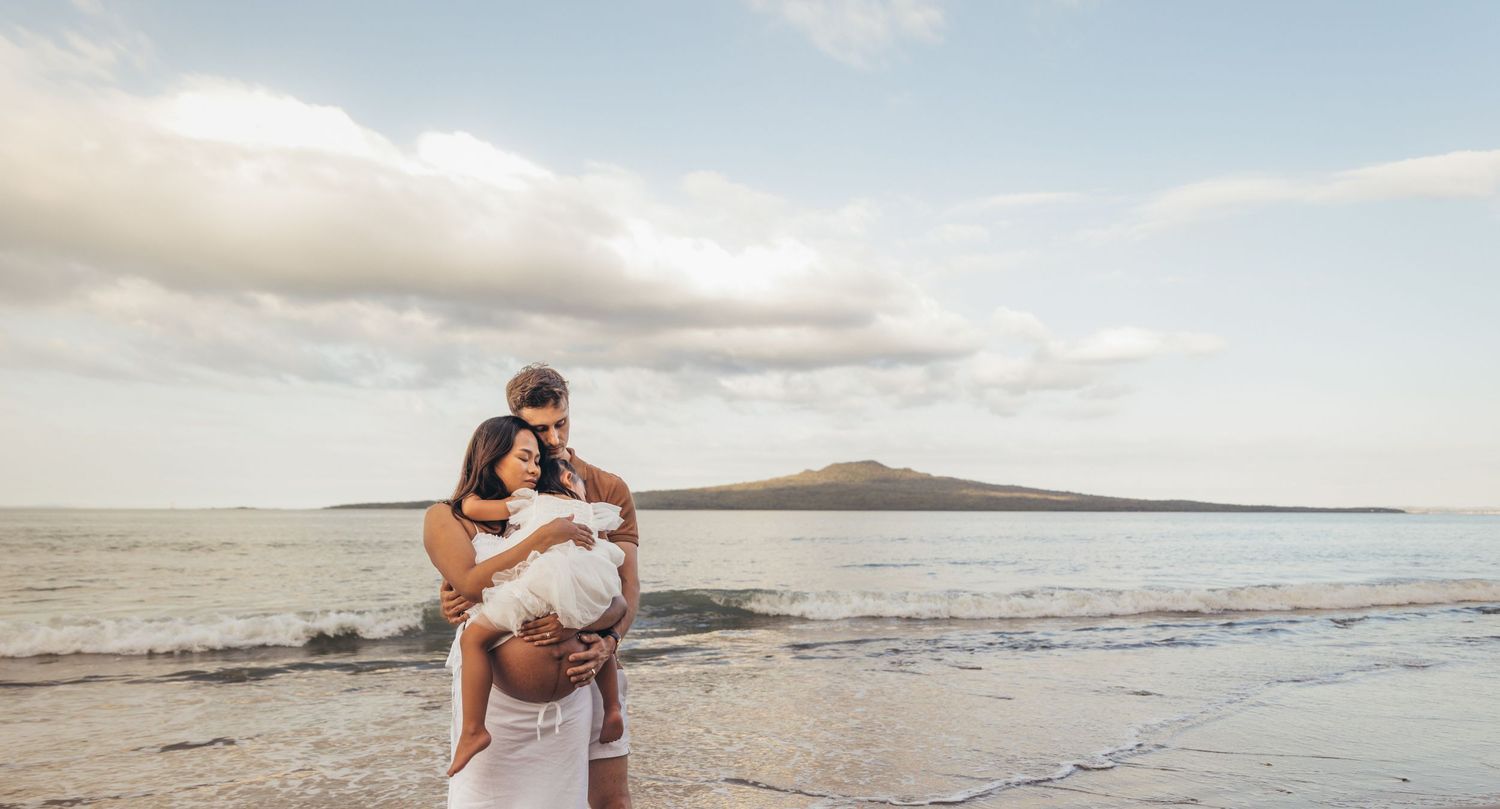
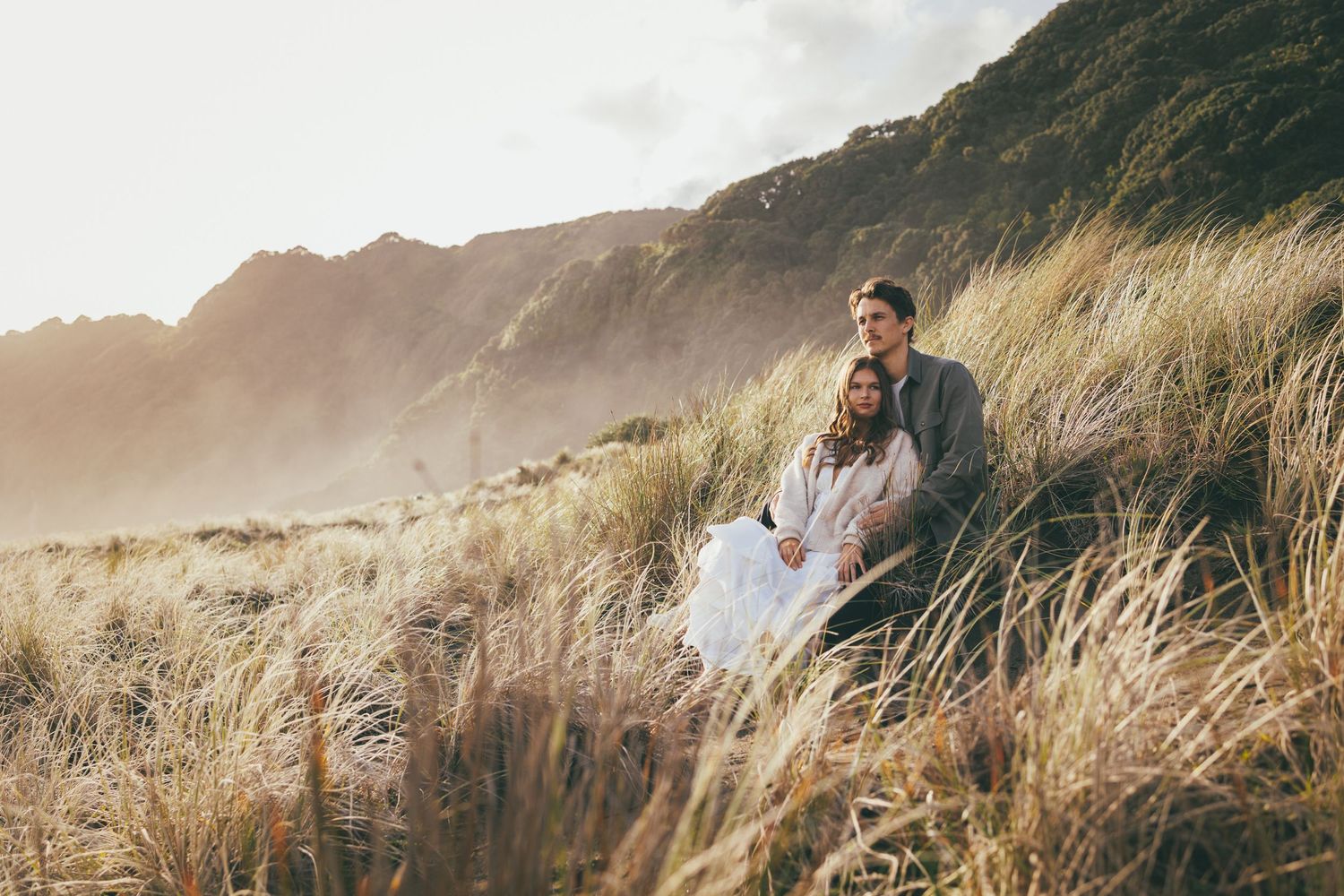
Most professional photographers develop a recognisable look that can be seen throughout their portfolio. There may be a soft hint of green in their photographs, a warm beige cast across their images or a preference for deep shadows and moody colours. Other photographers create photographs that are bright, colourful, clean or slightly washed out. Whatever their style may be, ask yourself whether it suits the reason you need the photographs.For example, you might love a photographer’s beautiful, dark and moody work, but would you want an entire wedding album photographed that way? The style may be ideal for a few dramatic portraits but less suitable if you imagine your photographs being bright, natural and full of colour.
Don’t assume a photographer will completely change their established style for you. If their existing portfolio doesn’t resemble the type of photographs you want, they may not be the right match.
You can see how I approach colour, lighting and natural moments in my photography portfolio.
Do They Have the Right Experience?
Photography is a broad profession, and different types of photography require different skills. A talented food or architectural photographer will not necessarily be the right person to photograph a wedding. In the same way, someone who produces beautiful studio portraits may have limited experience working at unpredictable live events. Look for examples relevant to your project. Consider whether the photographer has worked with similar locations, lighting conditions, group sizes and subjects. Having less experience does not automatically make someone a bad photographer. However, someone with relevant experience is more likely to understand the challenges of your shoot and know how to respond when conditions change.
Ask to See a Complete Gallery
A photographer’s website and social media accounts are usually a highlight reel. They show the very best images selected from dozens or potentially hundreds of different shoots. Almost anyone can assemble a small collection of impressive photographs. A complete gallery reveals whether the photographer can maintain that standard throughout an entire wedding, event, family session or commercial project. Ask to see a full gallery from a shoot similar to yours. Pay attention to how the photographer handles changing light, indoor environments, groups, candid moments and smaller details. This will give you a much more realistic idea of what you are likely to receive. If you’re considering working with me, you’re always welcome to get in touch and ask to see more examples from a session or project similar to yours.
Look for Consistency
There are plenty of experienced photographers, as well as talented photographers who are still developing their skills. Less experience doesn’t necessarily mean poor work, but it can sometimes result in problems with consistency. Look through their galleries and consider whether the quality, colours and exposure remain consistent. This does not mean every photograph needs to look identical. A versatile photographer may produce dark and moody images for one project and bright, energetic photographs for another. The important question is whether the quality remains equally strong.
Warning signs can include a sequence of photographs taken moments apart where the brightness changes dramatically, the colours shift without an obvious reason or some images look polished while others feel unfinished. A professional gallery should feel cohesive, even when the subjects, environments and lighting conditions change.
Check How They Capture Skin Tones
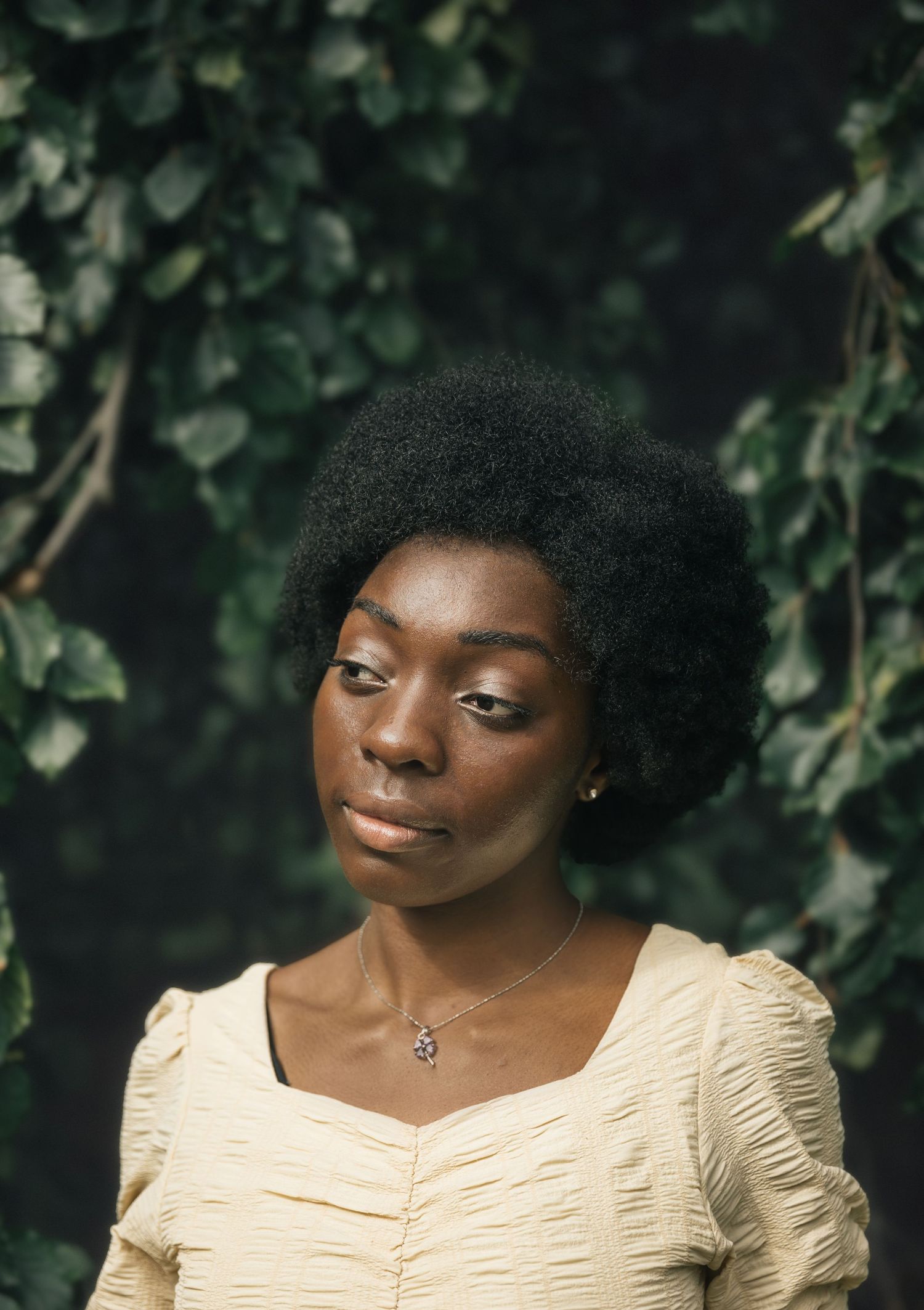
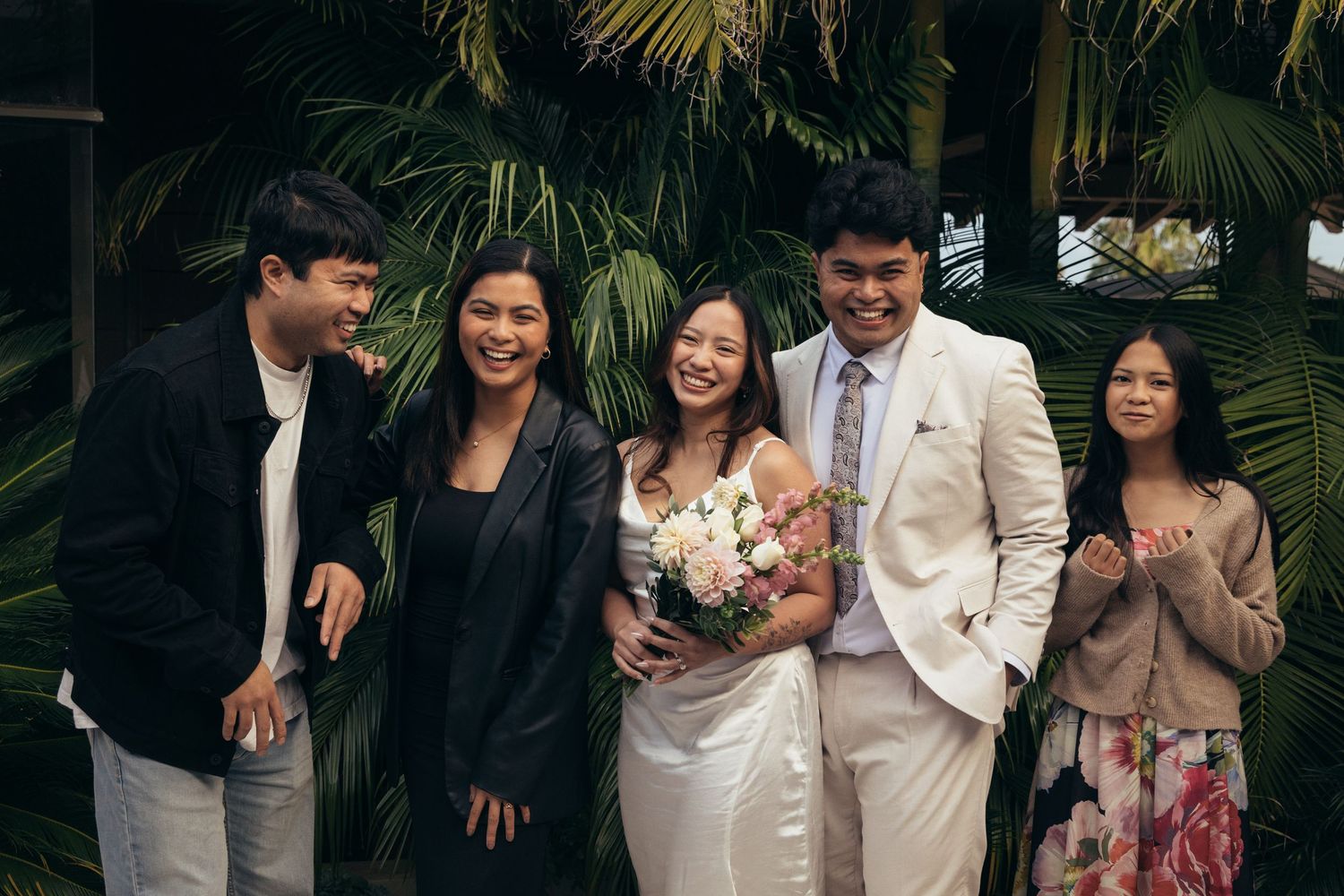
Believe it or not, accurate skin tones can be one of the hardest things to master in photography. Most professional photographers capture their images in RAW format, which preserves more information than a finished JPEG from a phone. These files can initially appear flatter, so the photographer carefully develops the colours and contrast afterward. During this process, skin tones can easily go wrong. People may begin to look overly orange, unusually pale, excessively pink or even slightly zombie-like. Look closely at the people throughout the photographer’s portfolio. Do their skin tones look believable? Can the photographer accurately photograph different complexions, including when several people with different skin tones appear together?
A photographer can have a distinctive creative style while still ensuring people look like themselves.
Consider Their Understanding of Light
Lighting is one of the most important elements of photography, so look carefully at the range of conditions shown in the photographer’s portfolio. Can you see examples photographed in broad daylight, open shade, indoors, at sunset and in darker environments? Can they work with sunlight coming through trees, bright backgrounds or challenging indoor lighting? Modern phones use extensive software processing to balance bright and dark areas automatically. Professional cameras work differently, meaning the photographer needs to understand exposure, the direction of light and how to adapt their settings. If someone can consistently produce strong photographs in bright sun, shade, indoor venues and low-light situations, it is a good sign they understand how to respond when conditions change. This is particularly important for weddings and events, where the weather, venue and time of day cannot always be controlled.
Can They Use Flash When Necessary?
Natural-light photographers can create beautiful work, and some deliberately specialise in using available light. However, experience with external flash can be a major advantage in certain situations. Imagine the weather has become dark and overcast, the reception venue has poor lighting or the sun is setting behind you. A photographer who understands flash can keep you properly exposed and capture a sharp photograph without losing the atmosphere of the scene. Not every assignment requires flash. However, if your shoot could take place indoors, after sunset or in unpredictable conditions, ask how the photographer intends to manage low light. Their portfolio should include examples that demonstrate their ability.
Speak to the Photographer Before Booking
You may need to get the photographer on the phone or arrange a video call before making your decision. After all, you are paying for both a service and an experience. If the photographer has the personality of a pretentious artist, you probably want to discover that before the big day. Photography can be surprisingly personal. You may spend several hours with this person, rely on them for direction and ask them to document significant or vulnerable moments. You need someone who makes you feel comfortable and listens to what you want.
Consider whether they:
- Reply clearly and professionally
- Ask useful questions about your needs
- Listen to your ideas
- Explain their process clearly
- Make you feel comfortable
- Show a genuine interest in your project
This can be more difficult to gauge when working with a large photography company. You may speak with a receptionist or coordinator who passes your brief to one of several photographers. If that is the case, ask who will actually attend your shoot and whether you can speak with them beforehand. With a smaller bespoke photography business, the photographer is often the business. The person answering your enquiry will usually be the same person who photographs you and delivers your finished gallery. I’m always happy to have an initial conversation before anyone commits to booking. If you’d like to talk through your ideas, you can contact me here.
Can They Make People Feel Comfortable?
Technical ability is only one part of being a good photographer. They also need to be good with people. Many clients feel uncomfortable in front of a camera. A capable photographer should know how to give direction, create natural expressions and help people relax without forcing them into awkward poses. This is especially important when photographing nervous couples, young children, large families or people who generally dislike having their photograph taken. When reading reviews, look for comments about how the photographer made people feel. Phrases such as “made us feel relaxed”, “gave us clear direction” or “was brilliant with the children” can be just as meaningful as praise for the finished photographs.
Read the Reviews Carefully
Reviews can provide useful insight, but don’t rely only on the overall star rating. Read what previous clients actually say. Look for recurring comments about communication, reliability, punctuality, image quality, delivery times and the experience during the shoot. Detailed reviews are generally more helpful than ratings without comments. Pay particular attention if several clients mention the same positive—or negative—experience.
Understand the Price and What Is Included
Photographers offer their services in many different ways, which can make comparing prices difficult. One quote may appear cheaper but include fewer hours or fewer finished photographs. Another may cost more while including additional coverage, travel, an assistant or printed products.
Before booking, confirm:
- How many hours of photography are included
- Approximately how many finished images you will receive
- Whether high-resolution files are included
- Whether travel or studio costs are additional
- Whether prints or albums are included
- How much the deposit is
- What happens if the shoot runs overtime
- Whether cancellation or postponement fees apply
Price matters, but it should not be considered in isolation. The cheapest photographer may not provide the best value, while the most expensive photographer is not automatically the right choice for your needs.
Ask About Turnaround and Delivery
Find out when you can expect to receive your finished photographs and how they will be delivered. Depending on the project, delivery could take anywhere from several days to several weeks. Weddings and larger commercial projects generally take longer than short portrait sessions because of the number of photographs involved. Ask whether you will receive preview images, an online gallery, downloadable high-resolution files or physical products. The expected delivery time should be confirmed in writing before you book.
Make Sure There Is a Contract
A professional photographer should provide a written agreement that clearly explains what both parties have agreed to. The contract should cover the date, time and location, payment terms, cancellation or postponement, the services and products included, and the expected delivery time. Depending on the assignment or venue, the photographer may also need public liability insurance. Commercial clients may have additional insurance and health and safety requirements. A contract protects both you and the photographer. Its presence is a good sign that the photographer treats their work as a professional service.
Warning Signs to Look Out For
No single warning sign automatically means someone is a bad photographer, but you should investigate further if you notice:
- No written contract
- Unclear or constantly changing prices
- Poor or unreliable communication
- No examples of complete galleries
- A portfolio containing only a few unrelated images
- Reviews repeatedly mentioning late delivery
- Inconsistent colours, exposure or skin tones
- Pressure to book before your questions have been answered
Trust your instincts. If someone’s photographs are impressive but their communication makes you uncomfortable, they may not be the right person for you.
Choosing the Right Photographer
Finding a good photographer is not simply about identifying who owns the most expensive camera or has the largest social media following. The right photographer should have a style you love, relevant experience, consistent technical ability and a professional process. They should also communicate clearly, make you feel comfortable and understand what you want the photographs to achieve. Take the time to view complete galleries, read detailed reviews, compare what each quote includes and speak with the person who will actually photograph you. Ultimately, the best photographer is not necessarily the cheapest, the most expensive or the best known. It is the photographer whose work, experience and approach are the best fit for you.
If you like what you see in my portfolio and feel that my approach could suit what you have in mind, I’d love to hear more about your project. You can get in touch for a relaxed, no-obligation conversation.